

Top Signs It’s Time to Repaint Your Home’s Exterior | Boston Painting Contractor
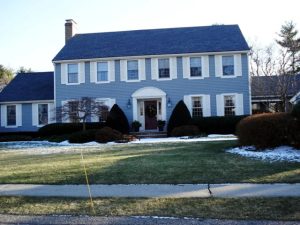
Boston’s coastal weather is tough on siding, trim, and porches. Salt air, UV, and freeze–thaw cycles break coatings down faster than you think. If you are noticing changes to the finish, it may be time to talk with a professional about residential painting before small issues grow into expensive repairs.
Why Exterior Paint Fails Faster in Boston’s Climate
From Back Bay to Dorchester and up the hill in Charlestown, homes see wide temperature swings and strong winds. Spring rains soak wood. Summer sun bakes south-facing elevations. Winter brings ice and snow that creep into gaps. All of this movement stresses paint films and sealants. That’s why staying ahead of wear is the simplest way to protect your home’s shell and curb appeal.
Peeling Paint and Exposed Wood
Paint that lifts, curls, or flakes is more than a cosmetic problem. It exposes bare wood to water and UV, which accelerates rot. You may notice flakes on porch steps or areas where gutters overflow. Peeling that reveals raw wood should be addressed quickly to avoid moisture intrusion. If you see gray, weathered boards or soft edges on trim, it’s time to bring in a pro.
Fading, Chalking, and Dull Colors
South End brownstones and sun-bathed gables fade first. Pigments break down under UV, leaving color that looks washed out and a powdery residue called chalk. Rubbing your hand on the siding and seeing a dusty film is a classic sign. While chalking alone does not mean immediate failure, it does mean the coating is losing protection. A fresh, properly bonded system will restore color depth and add a strong UV shield.
Cracked or Missing Caulk Around Seams
Look closely at window trim, corner boards, and joints where materials meet. Caulk is your home’s flexible gasket. Over time, it dries, shrinks, and splits. Cracked caulk is not waterproof. Once gaps form, Boston’s wind-driven rain finds a way in, leading to swelling wood and peeling along edges. A comprehensive repaint includes removing failed sealant and applying the right elastomeric product for long-term flexibility.
Blistering, Bubbling, and Alligatoring
Blisters are raised bubbles that often appear on sunlit siding or recently repainted areas when moisture or heat gets trapped beneath the film. Alligatoring looks like reptile skin: deep, patterned cracks that signal old, brittle layers. **Blistering and alligatoring indicate deeper coating failure and trapped moisture.** These conditions call for targeted removal, surface repair, and a compatible primer, not a simple paint-over.
Moisture Stains, Mildew, and Soft Spots
North-facing walls and shaded corners in Jamaica Plain or Roslindale can stay damp for days. Brown or tan stains streaking down from trim, dark mildew on shaded clapboards, or soft, spongy wood are red flags. Moisture problems often start with clogged gutters, splashback, or failed flashing and then show up as finish defects. A thorough exterior repaint project will include cleaning, drying, correcting minor substrate issues, and coating with mildewcide-enhanced finishes where appropriate.
Hairline Cracks and Nail Pops in Trim or Siding
As wood swells and shrinks, hairline cracks appear across the grain. Nail heads may push out of old boards or become visible as rust stains. Left alone, water reaches the fastener and the surrounding fiber, causing further failure. Addressing these small defects during a repaint helps seal the envelope and preserves original details you love.
Local insight: Boston exteriors hold up best when painted during stable weather, typically late spring through early fall depending on temperature and humidity. Aim to schedule prep and coating when surfaces are dry and nights are not too cold for proper curing.
Quick Checks You Can See From the Sidewalk
Without using ladders or tools, you can spot several warning signs from ground level. If two or more of these show up, it’s wise to consult a pro:
- Flakes collecting on steps, decks, or the base of the foundation
- Chalky residue on your fingers after rubbing the siding
- Hairline splits where trim meets siding
- Dark streaks or mildew on shaded walls or under eaves
- Blisters or bubbles on sun-exposed boards
When to Repaint by Material and Exposure
Every home weathers differently across Beacon Hill, East Boston, and the suburbs. Exposure, shade, and material type all influence repaint timing. Here is a simple way to think about it:
- Wood clapboard and trim: needs closer attention on south and west sides that face intense sun and wind
- Cedar shingles: watch for cupping, graying, and blotchy color where salt air and storms hit hardest
- Fiber cement and engineered products: coatings last longer but still require proper caulking and cleaning
- Masonry accents: painted lintels and sills need sound prep to prevent peeling at edges
Because timing varies by home size, material, and season, planning with a trusted local painting contractor helps you choose a schedule that reduces disruption and extends coating life.
Prep Work That Makes Paint Last Longer
Great results start with a clean, stable surface. In coastal New England, salt, pollen, and soot cling to siding. Thorough washing, selective paint removal, dry times, and right-fit primers are what separate a quick cover-up from a durable finish. Professional crews will also address minor substrate issues and re-seal joints before topcoats go on. Pairing cleaning with power washing where appropriate helps coatings adhere and look uniform.
Color Fade and Historic District Considerations
Many Boston neighborhoods value traditional palettes that fit local architecture. Bright modern hues can fade faster on sunny facades, while classic mid-tones often weather more gracefully. If your block leans historic, sampling several options on the actual wall can show how light shifts across the day. **Choosing colors with higher-quality pigments helps resist UV and maintains curb appeal longer.**
Protecting Trim, Doors, and Windows
Trim and window sills take the brunt of water. Dings from ladders, tight gutters, and winter ice cause edges to open up first. A complete repaint includes careful sanding of edges, correct primers for end grain, and smooth topcoats that shed water. Door systems also benefit from durable enamels that stand up to frequent use and seasonal movement.
What Happens If You Wait Too Long
Delaying can turn a paint job into a repair project. Water gets behind failing coatings, swells fibers, and loosens fasteners. Over time, details like crown profiles or sill noses may need replacement. Addressing paint failure early helps you avoid patchwork fixes and preserves the character that makes your home feel like Boston.
How a Pro Residential Painting Contractor Helps
A licensed crew brings planning, staging, and consistent results. They evaluate the whole exterior, not just the obvious spots, and create a surface-by-surface plan. With Artisan Painting & Decorating, Inc., you get clear communication, tidy job sites, and coatings selected for our coastal climate. If your home shows the signs above, start the conversation about residential painting so you can move forward with confidence.
A Simple Project Flow You Can Expect
Every house is unique, but professional projects follow a clear rhythm designed around safety, surface stability, and weather windows. You can expect a walk-through, documented scope, careful prep, caulking and priming, and a clean, even finish. When you are ready to take the next step, you can request an estimate and plan the schedule that best fits your home and calendar.
Seasonal Timing Around Greater Boston
Spring and fall often offer the best balance of temperature and humidity, but crews work across a wide range of conditions with manufacturer guidelines in mind. Coastal homes in places like Winthrop or along the harbor may need shorter maintenance cycles due to salt spray. Shaded properties under big maples or oaks may battle mildew sooner and benefit from more frequent cleanings paired with coatings designed to resist growth.
Call to Protect Your Home’s Exterior
Seeing peeling, fading, or cracked caulk? Talk to Artisan Painting & Decorating, Inc. today. Speak with a specialist at 617-947-0524 and line up a visit with a residential painting contractor who understands Boston’s weather and building styles. If exterior paint is failing, the right plan can help you protect your home before the next storm rolls in.

 write review